SSDN Technologies
15 December 2025
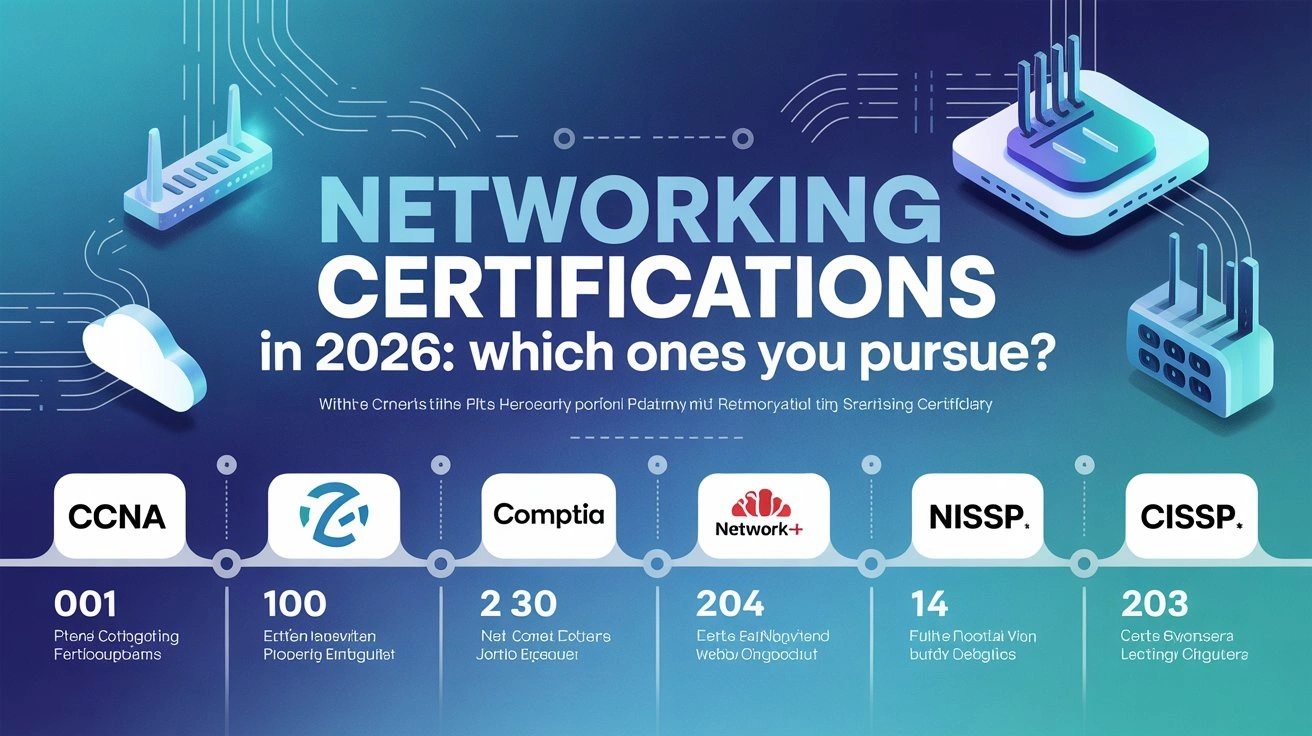
With advancing technologies, it is evident that the demand for networking experts is growing. As companies expand and digital transformation becomes a priority, the need for professionals who can create, control, and maintain a complex network architecture is increasing. If you are thinking of joining the world of networking or looking to upgrade your portfolio, a good move is acquiring networking certificates to demonstrate your knowledge and skills and broaden your career options.
However, the wide selection of certifications makes it harder to see which ones hold significance in 2026. This blog is dedicated to helping you find the right career path as it focuses on the in-demand and trending networking certifications expected to grow in the coming few years.
They go beyond being just a piece of paper; they show you've got what it takes to do well in this field. As new tech like 5G, software-defined networking (SDN), cloud computing, and AI keep changing how networking works keeping up with industry standards through these certifications will be crucial.
These certifications have an impact on your career by proving you have the know-how to succeed. They help you stay on top of the latest developments in the ever-changing world of networking.
Job Prospects:
Many companies need certifications to prove you know your stuff.
Cisco Certified Network Associate (CCNA):
The Cisco Certified Network Associate (CCNA) Certification stands out as a well-known and regarded credential in the networking world. For years, Cisco has led the pack in networking hardware and software, and many see the CCNA as the starting point for networking pros.
As of 2026, the CCNA remains one of the top picks for certifications among people who want to become network engineers, network administrators, and systems engineers. It gives a strong base to newcomers in the field while also paving the way to more advanced certifications. Best for: Network engineers, administrators, and support specialists.
CompTIA Network+:
CompTIA is the leading vendor-neutral certification, and Network+ is one of its most valuable certifications for beginners in the IT and networking space. Although CCNA is highly Cisco-specific, Network+ offers networking principles, technology, and best practices.
Network+ is a great option for those looking to get into the networking space or expand their skills without being tied to a particular vendor. This certification is widely recognised and respected by employers in various industries.
Ideal for: IT professionals, support engineers, and those who want to own networks.
As organisations place more emphasis on cybersecurity, they look for networking professionals with a strong understanding of how to secure networked systems. The Certified Information Systems Security Professional (CISSP) certification is cybersecurity certifications that one of the most popular and increasingly important by 2026.
The CISSP covers a range of topics related to network security, e.g.
While the CISSP does not specifically focus on communications, it has become an important certification for communications professionals targeting network security skills. As cyber threats become more sophisticated, it becomes increasingly valuable to have a CISSP in your credentials.
Ideal for: Network security professionals, security consultants, and IT administrators.
Certified Wireless Network Administrator (CWNA):
Wireless networks are an integral part of modern infrastructure, and Wi-Fi and mobile technologies power everything from corporate offices to public spaces. As wireless technology evolves, the demand for professionals who can configure, manage, and troubleshoot wireless networks continues to grow.
The Certified Wireless Network Administrator (CWNA) certification is a non-vendor certification that focuses on:
If you’re interested in working with wireless technology and want to stay at the forefront of a world moving towards wireless solutions like 5G, CWNA 2026 is an excellent certification to follow.
Ideal: Network administrators, wireless network engineers, and IT professionals with expertise in wireless technology.
Juniper Networks Certification:
Juniper Networks is a specialist in networking, especially in high-performance network security solutions. The Juniper Networks Certified Internet Associate (JNCIA) certification is widely recognised for those seeking to specialise in Juniper equipment, which is common among large data centres, service providers, and enterprises.
Juniper certification is especially useful for those who work in large organisations or the telecommunications industry. Juniper’s certification is scheduled to become valid in 2026 as network automation and SDN (Software-Defined Networking) technologies mature.
Ideal for: Network engineers and administrators working with Juniper Networks technology.
Cloud computing continues in the IT landscape, and as more businesses move to the cloud, the need for network operators who can manage cloud-based infrastructure grows. Amazon Web Services (AWS) is one of the biggest businesses in the cloud space, and AWS Certified Advanced Network – Attribute Authentication. In the case of AWS demonstrates advanced networking skills.
This certification is a great option for professionals looking to expand their networking skills in the cloud arena and will probably be in high demand by 2026 as cloud adoption continues to grow. Best for: Cloud network engineers, cloud architects, and network specialists.